
Introduction
The world is changing faster than ever, and much of that change is driven by Internet And Digital Trends. From how we communicate to how we shop, learn, and work, digital progress touches almost every part of daily life. For beginners, these changes can feel confusing. For intermediate users, keeping up can feel overwhelming. That is why understanding internet and digital trends in simple language is more important than ever.
Internet and digital trends are not just about new apps or popular websites. They include long term shifts in technology, user behavior, and online culture. For example, remote work, online education, digital payments, and social media marketing all grew because of these trends. Businesses now rely on digital platforms, and individuals depend on the internet for information, income, and connection.
What is Internet & Digital Trends?
Internet and digital trends refer to the ongoing changes and developments in how people use the internet and digital technologies. These trends show patterns in online behavior, tools, platforms, and digital solutions that become popular over time. They often reflect how society adapts to new technology.
For example, the rise of smartphones changed how people access the internet. Social media platforms changed communication. Cloud computing changed how data is stored and shared. All of these are part of internet and digital trends. They are not random events. Instead, they grow because people find them useful, efficient, or convenient.
Digital trends also include changes in content consumption. Short videos, podcasts, and live streaming became popular because users prefer fast and engaging formats. Online shopping trends grew as people looked for convenience and better prices. Digital payments increased because they save time and reduce the need for cash.
Why is Internet & Digital Trends Important?
Internet and digital trends are important because they influence how modern society functions. Ignoring them can lead to missed opportunities, while understanding them can open many doors.
First, they affect careers and jobs. Many traditional roles now require digital skills. At the same time, new careers appear because of internet growth. Knowing internet and digital trends helps you stay relevant in the job market.
Second, they impact businesses of all sizes. Small businesses can reach global customers through digital platforms. Large companies use data and automation to improve efficiency. Without following digital trends, businesses risk falling behind competitors.
Third, these trends shape communication and relationships. Social media, messaging apps, and video calls allow people to stay connected across distances. This has changed how families, friends, and teams interact.
Additionally, internet and digital trends improve access to information. Online learning platforms, digital libraries, and search engines make knowledge available to anyone with an internet connection. This supports personal growth and lifelong learning.
Detailed Step-by-Step Guide
Step 1: Understand the Basics of Digital Technology
Start by learning basic digital terms and concepts. This includes understanding what the internet is, how websites work, and how mobile apps function. You do not need technical expertise. Simple knowledge builds confidence and reduces confusion.
Step 2: Follow Current Online Trends
Observe what is popular online. This could be social media platforms, content formats, or digital services. Notice patterns rather than temporary hype. For example, consistent growth in online learning shows a strong digital trend.
Step 3: Learn Key Digital Skills
Basic digital skills are essential. These include using search engines effectively, managing email, understanding social media, and practicing online safety. As you grow, you can add skills like content creation or digital marketing.
Step 4: Choose the Right Platforms
Not every platform suits everyone. Choose platforms that match your goals. If you want to learn, focus on educational sites. If you want to grow a business, focus on social media and websites. This helps you use internet and digital trends wisely.
Step 5: Create or Consume Quality Content
Content drives the digital world. Learn to identify useful content and avoid low quality sources. If you create content, focus on value, clarity, and honesty. This builds trust and long term growth.
Step 6: Use Data and Feedback
Digital platforms provide data such as views, clicks, and engagement. Use this information to understand what works and what does not. Data helps you improve decisions and adapt to changing trends.
Step 7: Stay Updated Regularly
Internet and digital trends change quickly. Set time aside to learn and update your knowledge. Follow reliable digital news sources and observe user behavior. Consistent learning keeps you ahead.
Benefits of Internet and Digital Trends
- Improved access to information and education
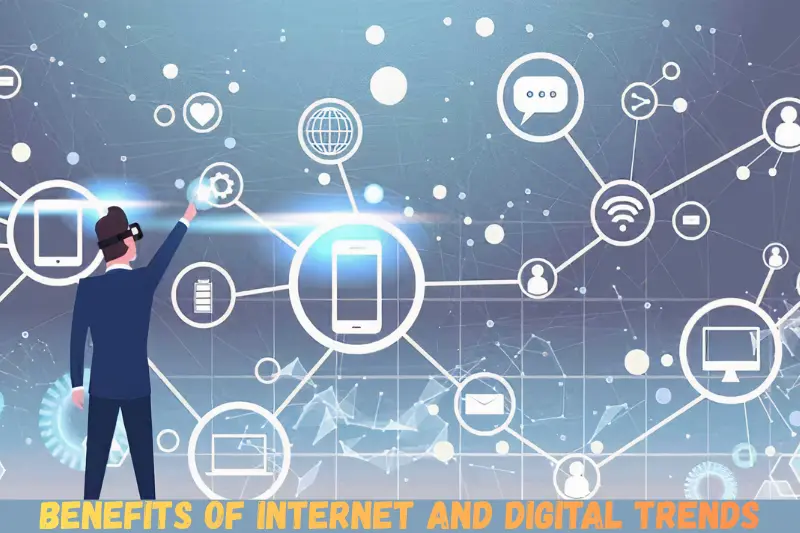
- New career and income opportunities
- Global communication and collaboration
- Increased business reach and efficiency
- Faster services and digital convenience
- Better decision making through data
- Innovation in healthcare and learning
- Flexible work and remote options
Disadvantages / Risks
- Privacy and data security concerns
- Digital addiction and screen overuse
- Spread of misinformation online
- Cybercrime and online scams
- Skill gaps for non digital users
- Dependence on technology systems
Common Mistakes to Avoid
One common mistake is following every trend without understanding its purpose. Not all internet and digital trends are useful for everyone. Blindly copying others can waste time and resources.
Another mistake is ignoring online safety. Many users focus on convenience and forget about data protection. Weak passwords and careless sharing increase risk.
Some people also expect instant results. Digital growth takes time. Whether learning a skill or building an online presence, patience and consistency are key.
FAQs
What are internet and digital trends in simple terms?
Internet and digital trends are popular changes in how people use online technology. They show what tools, platforms, or behaviors are growing and becoming common over time.
How often do digital trends change?
Some trends change quickly, while others last for years. Short term trends may fade, but major internet and digital trends usually grow slowly and stay longer.
Do I need technical skills to follow digital trends?
No advanced technical skills are required. Basic digital knowledge and a willingness to learn are enough to understand and benefit from most trends.
Are digital trends useful for small businesses?
Yes, they are very useful. Small businesses can use digital trends to reach more customers, reduce costs, and compete with larger companies online.
How can beginners stay updated safely?
Beginners should follow trusted sources, avoid suspicious links, and use strong security practices. Learning step by step helps reduce risks.
Can digital trends affect daily life?
Yes, they influence communication, shopping, learning, and entertainment. Internet and digital trends shape how people live and interact every day.
Expert Tips & Bonus Points
Focus on long term value instead of short term popularity. Not every new tool will last, but skills like communication, analysis, and adaptability always matter.
Balance online and offline life. Digital trends are powerful, but healthy limits improve productivity and well being.
Practice critical thinking. Question information, check sources, and avoid emotional reactions online. This skill is essential in the digital age.
Lastly, invest in learning. Free and paid resources are available online. Continuous learning helps you grow with internet and digital trends instead of chasing them.
Conclusion
Internet and digital trends are shaping the modern world in powerful ways. They influence how people work, learn, communicate, and build businesses. For beginners and intermediate users, understanding these trends does not require complex technical knowledge. It requires curiosity, awareness, and a willingness to adapt.
By learning what internet and digital trends are, why they matter, and how to use them step by step, you can make better decisions in your personal and professional life. These trends offer many benefits, such as access to information, new income opportunities, and global connectivity. At the same time, they come with risks that require responsibility and awareness.
The key is balance. Use digital tools wisely, protect your privacy, and focus on meaningful growth rather than quick results. Avoid common mistakes, stay informed, and keep improving your skills.